
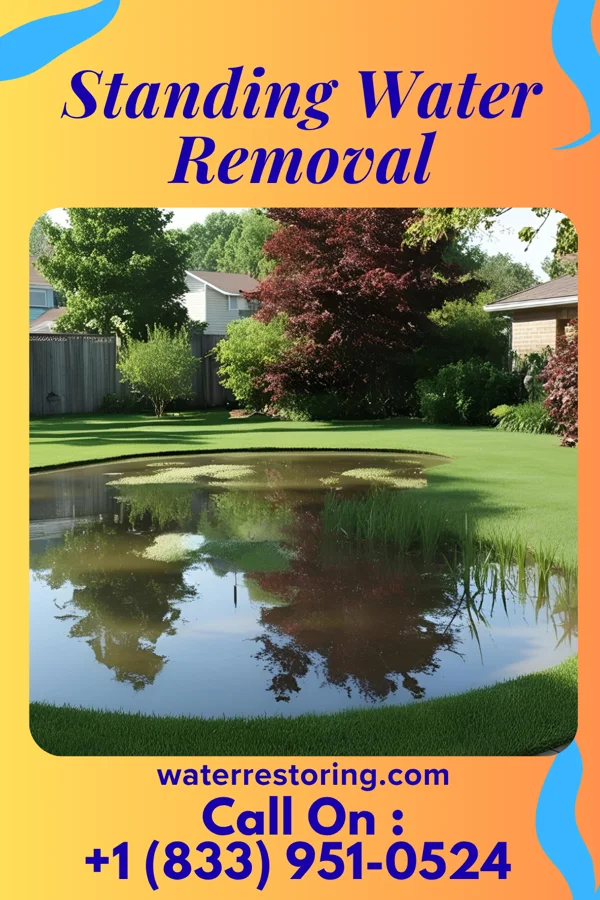
What Makes Clermont Standing-Water-Prone
Living in Clermont means dealing with In Clermont, Georgia, the primary water damage cause is often from residential plumbing leaks, particularly in older homes with aging pipes. Additionally, heavy rainfall during the spring and summer months can lead to localized flooding in low-lying areas near creeks and rivers. sooner or later. A close second is Secondary causes include malfunctioning sump pumps, backed-up septic systems, and water intrusion from nearby construction sites. These issues are more common in rural areas of Clermont where infrastructure may be less maintained.. The good news: water damage is fully recoverable when you catch it fast and bring in certified technicians.
Clermont experiences a humid subtropical climate with frequent thunderstorms and heavy rainfall, increasing the risk of water damage. The region's proximity to the Appalachian Mountains can also lead to sudden weather changes that contribute to water-related emergencies.
Most standing water removal calls in Clermont come from In Clermont, Georgia, the primary water damage cause is often from residential plumbing leaks, particularly in older homes with aging pipes. Additionally, heavy rainfall during the spring and summer months can lead to localized flooding in low-lying areas near creeks and rivers.. Running a close second is Secondary causes include malfunctioning sump pumps, backed-up septic systems, and water intrusion from nearby construction sites. These issues are more common in rural areas of Clermont where infrastructure may be less maintained.. Local mold risk: Mold growth in Clermont can occur rapidly due to high humidity and frequent rainfall, making it critical to address water damage within 48 hours to prevent long-term health and structural issues.